
.svg)
.svg)
Walk into the world's most memorable boutique hotels and you'll notice something they all share: they couldn't exist anywhere else. The materials feel native to the landscape. The palette speaks to the quality of local light. The artwork tells a story that belongs to this specific place and no other. The scent in the lobby — subtle, lingering, impossible to fully identify — feels like it rose from the land the building sits on. Everything about the experience signals that it belongs here, and that belonging is precisely the point.
This is hyper-local design, and it's the defining movement in luxury hospitality right now. The context for it is straightforward: today's luxury traveller has stayed in enough polished, generic hotels to know the difference between a space that was designed for a place and one that could have been deployed from a template. The big chains have always excelled at consistency — the guarantee that your room in Sydney will feel essentially the same as your room in Singapore. For a certain kind of traveller, at a certain moment in their lives, that consistency was reassuring. Increasingly, it's the thing they're travelling to escape.
The boutique hotels winning in this environment are the ones that feel irreplaceable — that offer something genuinely unavailable elsewhere. And the most powerful tool for creating that sense of irreplaceability is design that is deeply embedded in its location: its landscape, its cultural history, its craft traditions, its climate, the particular quality of its light at different times of day. In Australia, this approach yields extraordinary results. The subtropical palette of Southeast Queensland — earthy ochres, deep greens, the warm tones of native timber — reads entirely differently to the bleached coastal light of the Whitsundays, or the red-earth richness of central Australia. A hotel that understands and responds to these distinctions creates something that a hotel designed from a generic luxury brief simply cannot.
Hyper-local design goes considerably further than hanging regional artwork on the walls. It's embedded in every decision from the outset: the sourcing of materials from regional artisans and suppliers, the engagement of local makers for custom furniture rather than specification from international catalogues, the development of a colour palette drawn directly from the surrounding landscape. It means researching the history of a place, spending time in it, understanding its sensory character — the way it sounds in the early morning, the way it smells after rain, the way the light falls in the late afternoon — before making a single design decision. The designers doing this best describe something close to an act of translation: taking the deep character of a place and finding ways to express it through the built environment without resorting to the obvious or the literal.
Beyond the guest experience, hyper-local design is also quietly compelling business. Hotels with strong, place-based identities generate disproportionate word of mouth. They become destinations in themselves — not just places to sleep, but experiences worth travelling for, worth writing about, worth returning to. In a competitive landscape where boutique properties are navigating pressure from major chains on one side and the short-stay rental market on the other, a distinctive and authentic design identity is one of the most durable differentiators available. It can't be easily replicated. It can't be rolled out across a portfolio. And that exclusivity is, in itself, a form of luxury that no amount of thread count or room service menu can replicate.
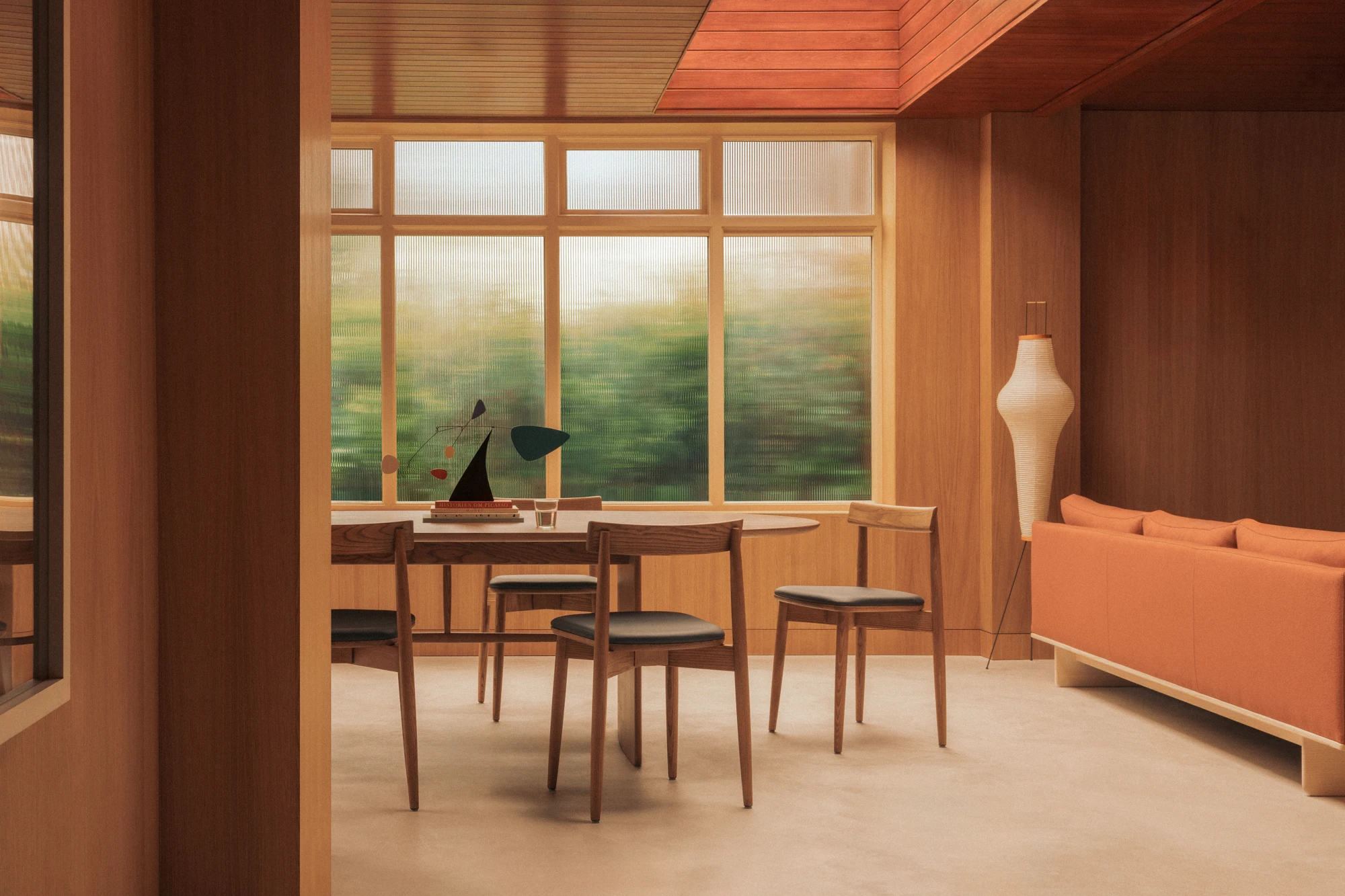
Featured Image: The Calile Hotel