
.svg)
.svg)
There's a moment in every truly exceptional interior when you notice the thing that makes it different. Sometimes it's obvious — a dramatic stone wall, a ceiling treatment that redefines the architecture of the room. More often, it's considerably quieter than that. A joinery piece that fits the space so precisely it looks like it grew there. A dining table with a proportion and timber selection that couldn't have come from a catalogue. A sofa that answers the exact scale and softness of the room it inhabits, as though it was specified for this space and no other, because it was. These are the moments that separate a genuinely luxurious interior from a merely expensive one. And they almost always come down to bespoke, custom-made furniture.
Standard furniture is designed to work in standard spaces. The problem is that truly luxury interiors — high-end residential projects, multi-residential developments at the top of the market, boutique hotel fit-outs — are rarely standard in any meaningful sense. The proportions are specific to the architecture. The material palette has been developed with deliberate care. The spatial relationships between elements have been refined through an iterative design process. Into this environment, off-the-shelf furniture — regardless of the price point at which it sits — can only approximate what custom furniture achieves: a piece designed for exactly this space, in exactly this material, at exactly this scale, by someone who understands what the room needs. The difference, when you're standing in the completed space, is immediate and unmistakable.
Beyond the question of fit, there's the broader cultural moment that the appetite for bespoke sits inside. The global pendulum has swung back toward artisanship — toward things made by hand, with intention, by people who understand their materials at a level that mass production fundamentally cannot replicate. This is a reaction, in part, to the homogenisation that decades of global supply chains have produced. When the same furniture appears in luxury hotels from London to Singapore to Sydney, it stops functioning as a marker of distinction. The pieces that do that work now are the ones with a maker behind them — a joiner who shaped the timber, an upholsterer who selected the fabric, a metalworker who formed the base. These pieces carry a quality that no production-line equivalent can replicate, and the market is increasingly attuned to the difference.
In Australia, this moment has coincided with the emergence of genuinely world-class local makers — furniture designers, joiners, and craftspeople producing work that competes with the best international offerings at a fraction of the lead time and with the additional advantage of being designed for the Australian market, the Australian climate, and the Australian way of inhabiting domestic and commercial space. The best local makers understand Australian light, Australian scale, and Australian living in ways that their European and American counterparts simply don't. Working with them isn't merely a logistical convenience. It produces better, more contextually appropriate work — pieces that feel native to the spaces they inhabit rather than imported into them.
For developers and hoteliers, the reframing of custom furniture from cost to investment is one of the more significant conversations happening in the industry right now. In a luxury multi-residential project, bespoke lobby furniture or custom kitchen joinery signals quality in a way that no finishes schedule alone can achieve — it creates an immediate and visceral impression of a development that has been designed all the way down. In a boutique hotel, custom furniture defines the visual language of the brand, creating the aesthetic identity that guests photograph, remember, and associate with the experience long after they've checked out. The appetite for bespoke at the luxury end of the market isn't a niche preference. It's increasingly the expectation. And the studios and developers that understand this are the ones producing the work that the market is talking about.
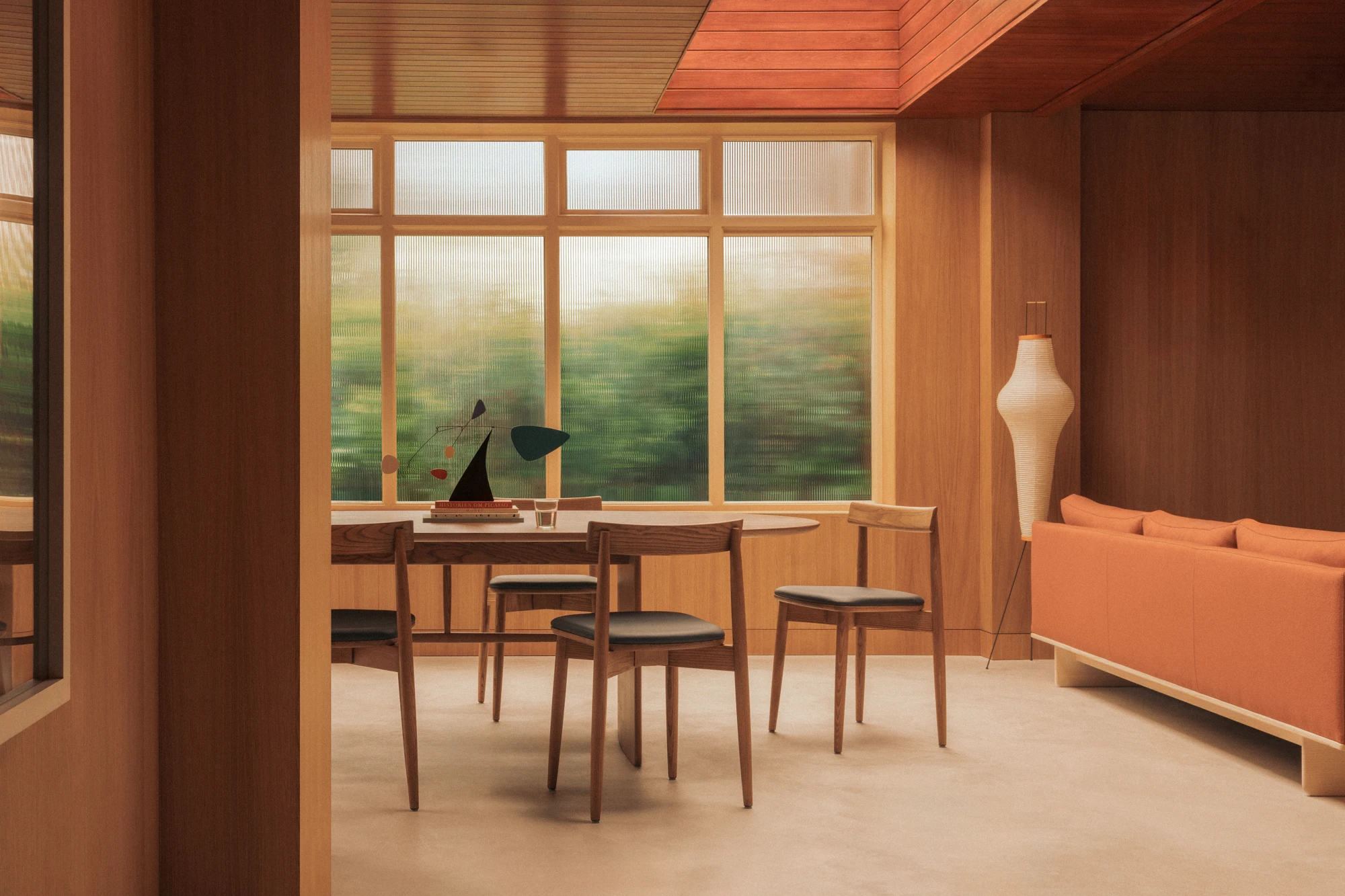
Featured Image: Chatterton Studio