
.svg)
.svg)
You've had the experience. You walk into a room and something shifts. Your shoulders drop. Your breathing slows. You don't know exactly why, but you immediately want to stay — to pull up a chair, pour a drink, let the evening happen. The inverse is equally familiar: a space that is technically impressive, expensive in its finishes, correct in its proportions, that nonetheless makes you feel vaguely ill at ease. On edge. Like you're a guest in a showroom rather than a person in a room. The discipline of neuro-aesthetics is dedicated to understanding why these responses occur — and what it's revealing is changing the way the world's best designers approach the built environment.
Neuro-aesthetics sits at the intersection of neuroscience, psychology, and design. It asks a deceptively simple question of any built environment: what does this space do to the people inside it? Not how does it look, but how does it function at a neurological and physiological level for actual human beings? The answers emerging from this field are, in many cases, confirming what skilled designers have always understood intuitively — but giving that intuition an evidence base that is changing the terms of the design conversation.
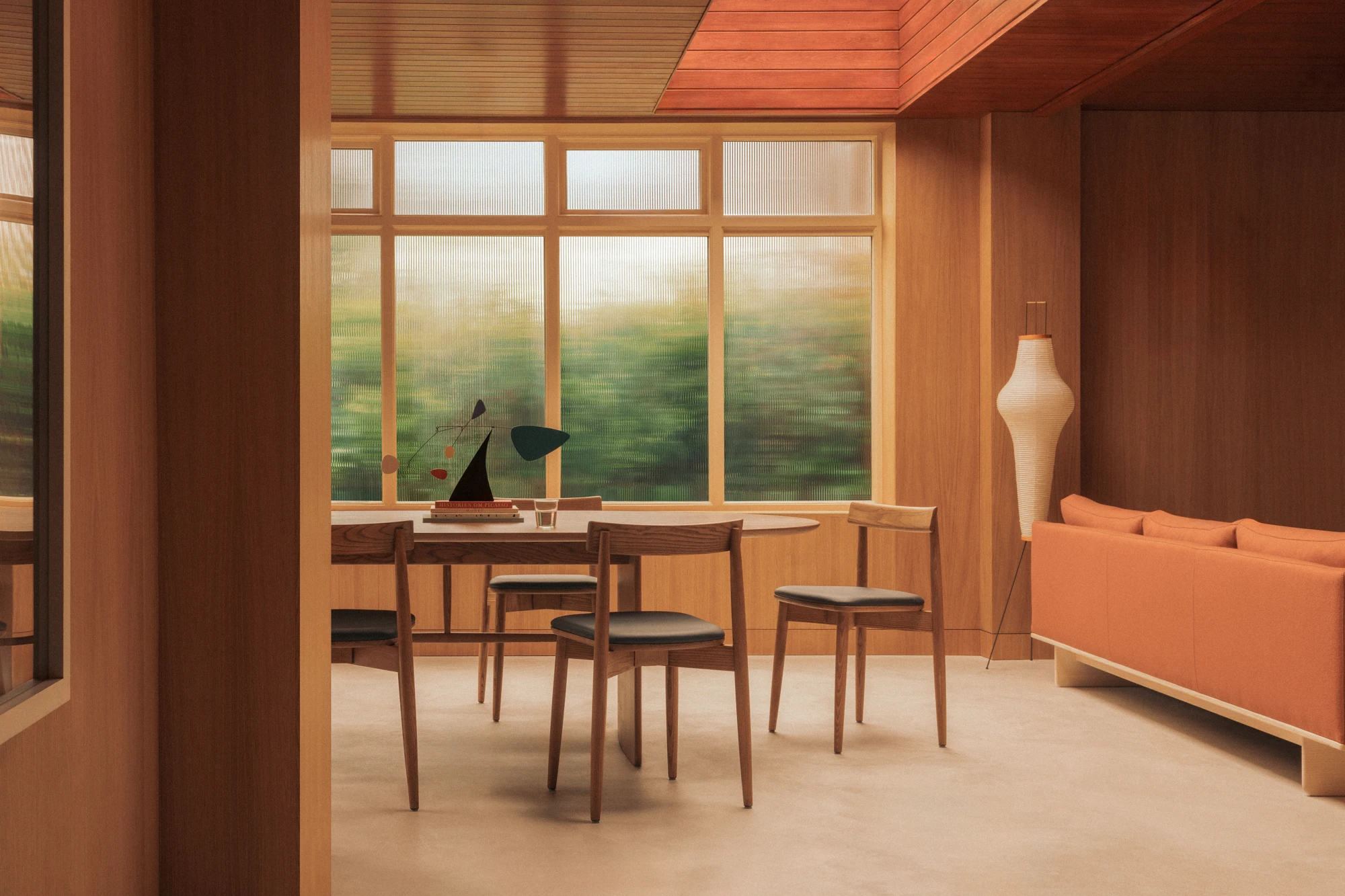
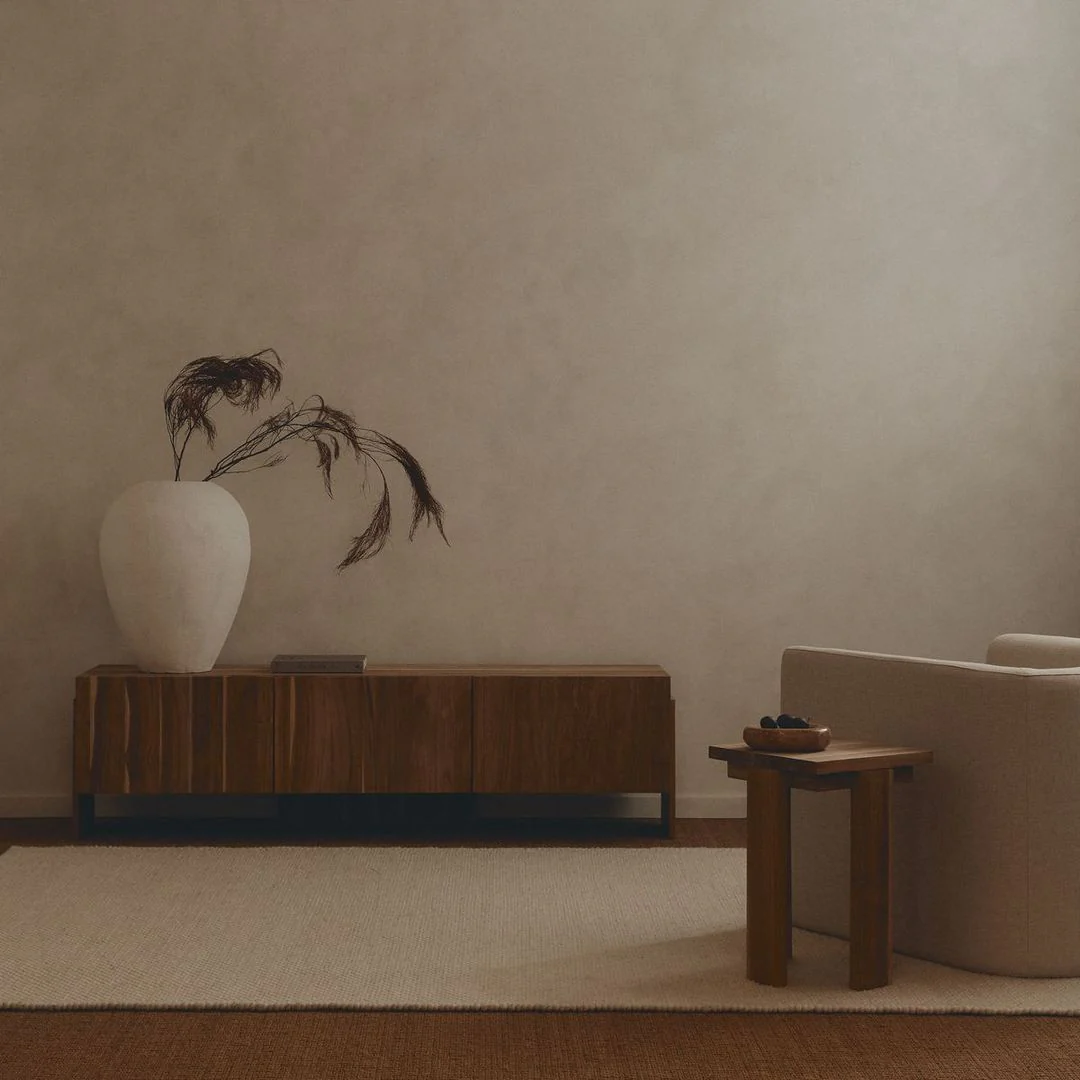
Some of its findings are immediately actionable. Environments rich in natural materials — stone, timber, linen, clay — tend to lower cortisol levels and reduce physiological markers of stress. This appears to be deeply connected to evolutionary familiarity: our nervous systems developed alongside these materials over tens of thousands of years and respond to them with a degree of ease that synthetic equivalents, however convincing visually, cannot trigger. Curved forms register as safer and more welcoming than sharp, angular ones. High-contrast, hard-edged environments activate the brain's threat-detection systems in subtle but measurable ways. Softer forms, warmer tones, and considered transitions do the opposite.
Acoustic quality is one of the most consistently underappreciated dimensions of interior design, and one of the areas where neuro-aesthetic thinking is having the most practical impact. Hard, reflective surfaces — the hallmark of a particular era of minimal design — create acoustically harsh environments that are genuinely tiring to inhabit over extended periods, even for people who couldn't tell you why they feel drained at the end of a day spent in them. The addition of soft furnishings, textured wall treatments, and considered acoustic design measurably changes how a space registers emotionally, independent of any change to its visual character. Light is perhaps the most powerful lever of all. Circadian-responsive lighting — systems that shift gradually in temperature and intensity across the day, from cool and energising in the morning to warm and low in the evening — has a direct, well-documented effect on mood, alertness, and sleep quality. The best luxury residential and hospitality interiors are increasingly specifying lighting in these terms: not just where light is needed, but what kind of light, at what time of day, to produce what effect in the people who inhabit the space.
For designers, architects, and the developers and clients who commission them, neuro-aesthetics offers something genuinely valuable: a framework for making design decisions that goes beyond preference, taste, and trend. It provides an evidence base for choices that might otherwise be difficult to justify in a cost-value conversation — for insisting on natural materials when engineered alternatives would be cheaper, for specifying curved furniture when rectilinear would be simpler, for investing in layered lighting when a single source would technically do the job. The spaces that will define luxury design in the next decade won't just look extraordinary. They'll feel extraordinary — in ways that are deeply, physiologically real. And the designers who understand the science behind that feeling are the ones producing the work that endures.
Image Credit: Rachel Donath