.svg)
.svg)
For the better part of a decade, the default language of luxury interior design was restraint. White walls. Polished concrete. Furniture reduced to its essential geometry. Negative space treated as a status symbol in its own right. The look was clean, controlled, and — in the right light, in the right render — genuinely beautiful. It also felt, in reality, a little like living inside a concept rather than a home.
The pendulum has swung, and the signs are everywhere. Across the high end of the residential and commercial market, the interiors commanding the strongest response — the ones generating genuine desire rather than polite admiration — aren't the coldest or the most minimal. They're the warmest. The most textural. The most human. The reaction against cool minimalism isn't a trend in the conventional sense. It's a recalibration, a return to the understanding that the purpose of a great interior is to make the people inside it feel genuinely good.
The shift didn't happen overnight, but its acceleration is unmistakable. Post-pandemic, people began spending significantly more time at home and paying much closer attention to how those homes actually felt to inhabit. Cold, clinical spaces that had once felt aspirational started feeling exhausting. At the same time, a broader cultural conversation was emerging around wellbeing, comfort, and the relationship between our environments and our mental state. The idea that a beautiful space should also be a restorative one — that luxury and genuine livability were not opposites — began to take hold with real force.
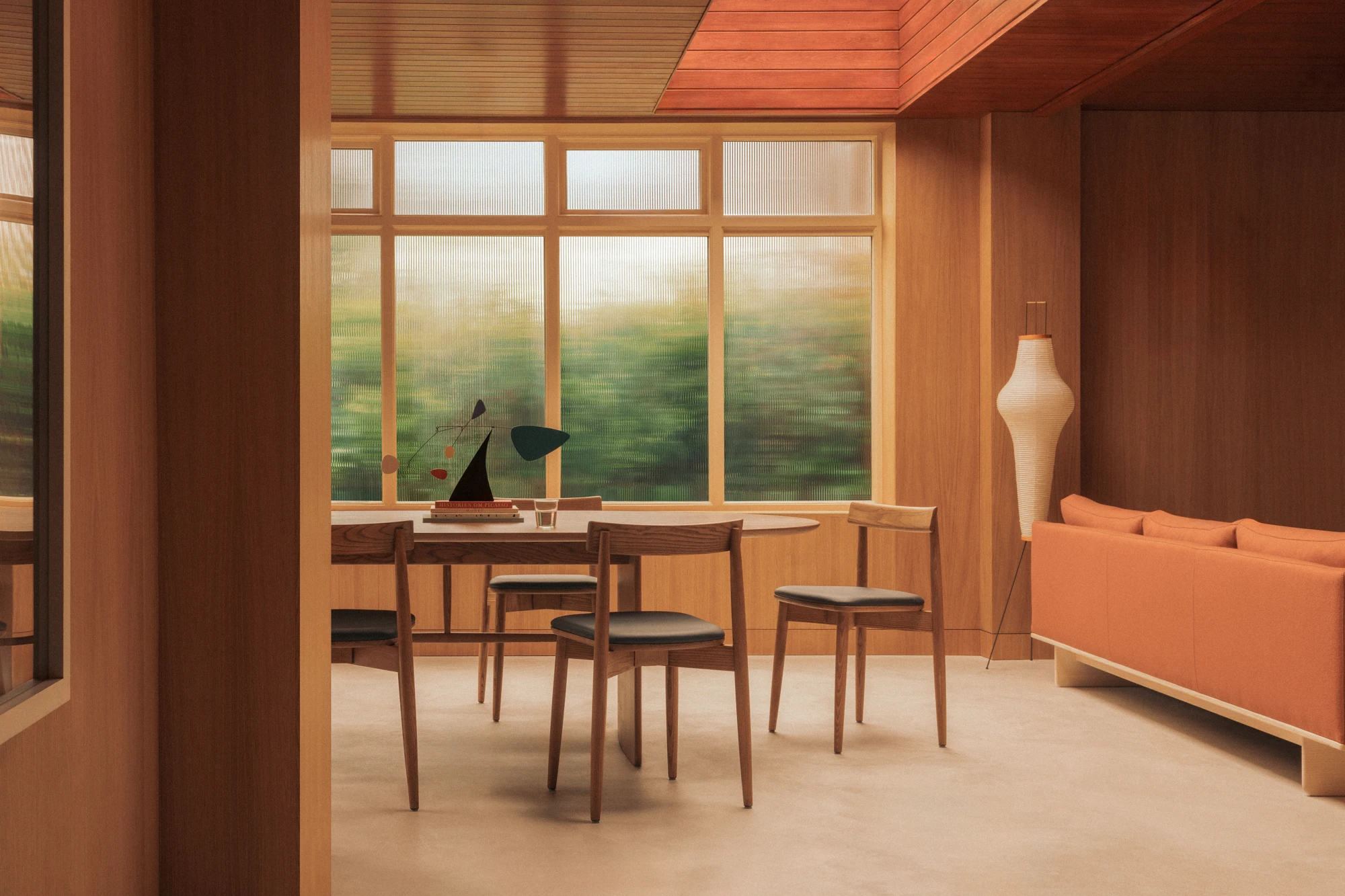
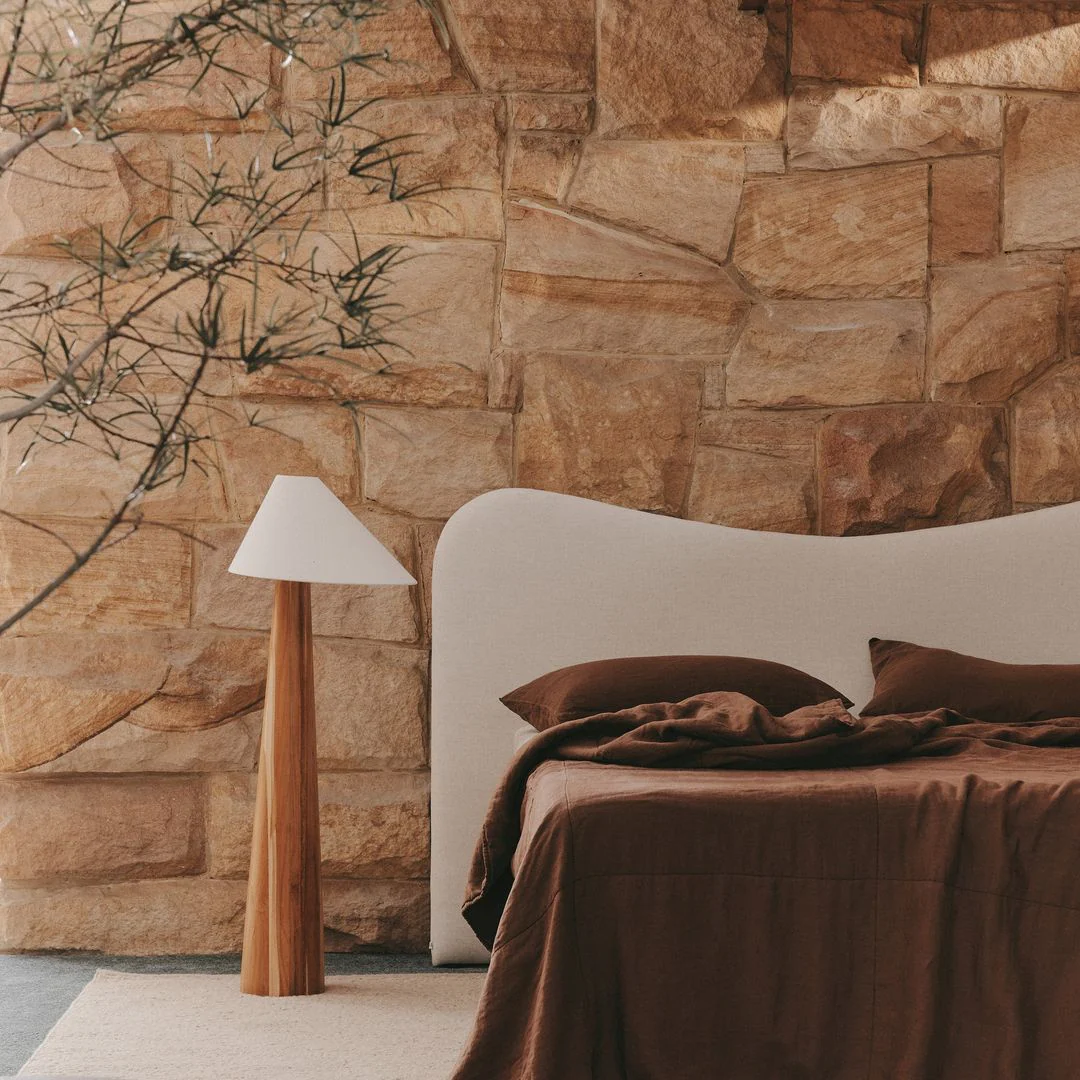
In material terms, the shift is most visible in palette and finish. The grey-beige tones that dominated the last decade are warming into creamy off-whites, clay, putty, and soft brown — colours that wrap a room in atmosphere rather than empty it out. Surfaces prized for their perfect polish are giving way to finishes that carry texture and character: honed rather than polished stone, limewash plaster instead of smooth render, timber with visible grain rather than veneer with none. These are materials that look better the longer you spend with them, that age gracefully and accumulate meaning over time. Upholstery is following the same logic — bouclé, velvet, aged leather, textured linen chosen as much for how they feel as how they photograph.
Furniture has shifted too, away from the low, linear, rigidly geometric profiles of the minimalist era and toward softer forms that invite genuine occupation. Curved sofas. Rounded armchairs. Organic coffee tables that reference natural forms rather than opposing them. And lighting is doing more atmospheric work than ever — layered, warm, dimmable schemes that treat each room as a series of moods rather than a single fixed state. The single overhead pendant has been replaced by pools of light that draw the eye, concealed sources that wash walls, the deliberate absence of light used as a design tool in its own right.
The best contemporary interiors aren't cluttered. They're considered. Every piece earns its place, but the overall feeling is one of warmth, depth, and genuine comfort rather than controlled austerity. The question for designers and clients navigating this moment is how to pursue richness without tipping into excess — how to create spaces that feel genuinely inhabited rather than merely decorated. The answer, as ever, lies in restraint. Not the cold restraint of minimalism, but the warm restraint of very good taste.
Featured Image: Rachel Donath