.svg)
.svg)
There was a time when luxury interiors were defined entirely by what you could see. The gleam of marble underfoot, the scale of a chandelier overhead, the precision of a perfectly symmetrical room. These were the signals — immediate, legible, unambiguous — that a space had been designed to impress. And they worked, in the sense that they did impress. What they didn't always do was make the people inside them feel particularly good.
That distinction — between impressing and feeling good — is at the heart of the most significant shift in luxury interior design in a generation. The spaces commanding genuine desire right now aren't necessarily the grandest or the most photographed. They're the ones you don't want to leave. The ones that slow your breathing the moment you walk in. The ones that feel, somehow, like they already know you. This is the territory of sensory design, and it's redefining what luxury actually means.
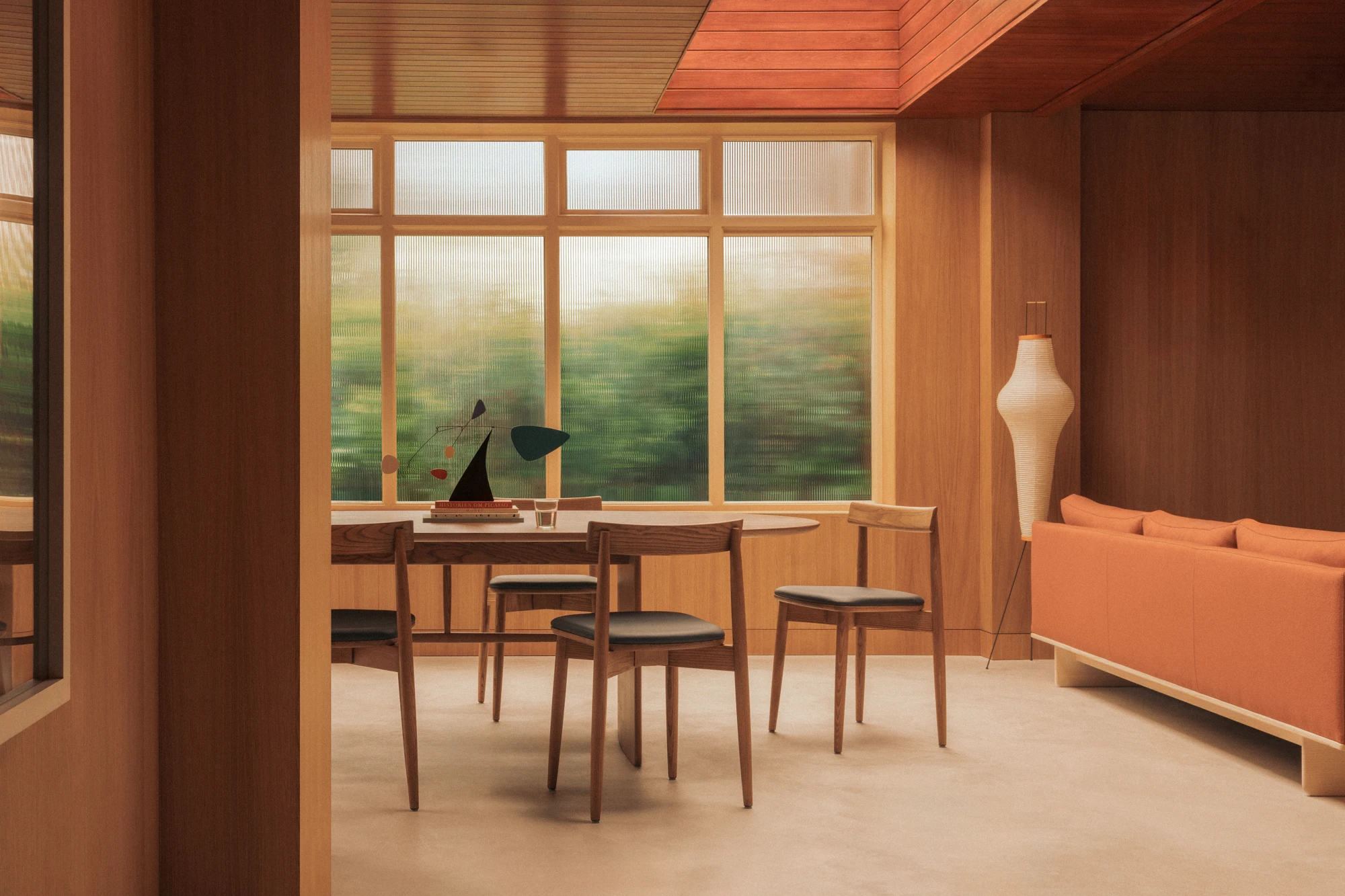
Sensory design is the intentional layering of touch, sound, scent, light, and materiality to create a complete emotional experience within a space. It goes considerably further than aesthetics. It's the warmth of a raw timber surface underhand. The way acoustic panelling softens a room into quiet intimacy. The way a space is lit at dusk versus midday — and whether those transitions feel considered or accidental. The faint trace of a scent in a hotel corridor that you can't quite name but immediately associate with arrival. When sensory design is done well, you don't notice any individual element of it. You simply feel at ease.
We're living in an era of chronic overstimulation. Screens, noise, notifications — the accumulated pressure of a life conducted at high volume. People are increasingly craving environments that offer genuine reprieve, spaces that do the work of calming the nervous system without asking anything in return. This is why the world's leading designers are turning to neuro-aesthetics: the emerging science of how our brains respond to built environments. Soft curves over sharp edges. Warm, layered lighting over harsh overhead fluorescents. Natural materials — stone, timber, linen — over synthetic finishes that look right but feel cold. Research consistently shows that environments rich in these qualities reduce cortisol levels and increase feelings of wellbeing. The best luxury interiors have always understood this intuitively. Now there's a science to confirm it.
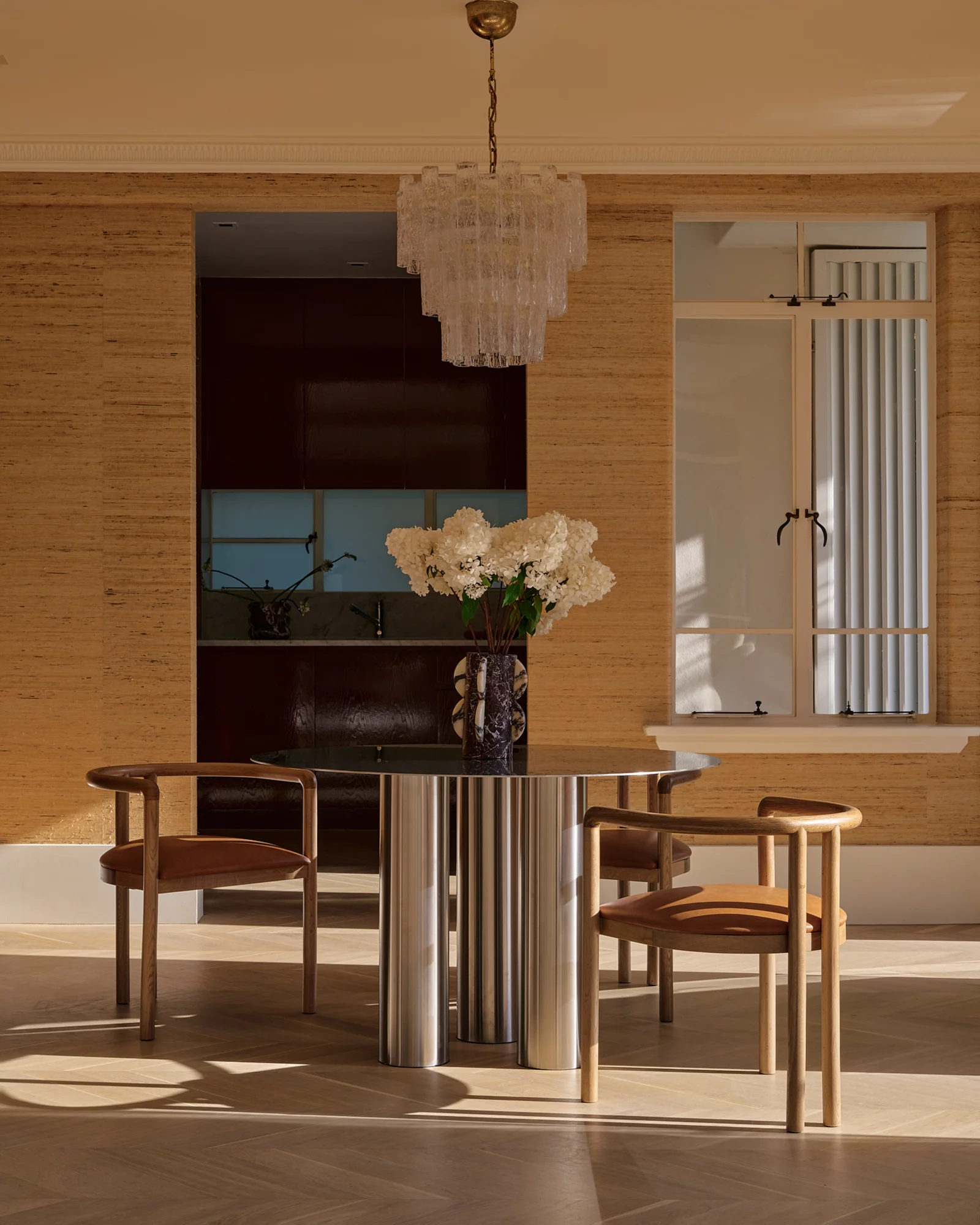
In practical terms, sensory design isn't a style — it's a methodology. It can sit inside a minimal interior or a richly layered one. What matters is that each element is evaluated not just for how it looks but for how it feels to be near it, to touch it, to live alongside it over time. In residential design, this might mean specifying honed rather than polished stone — softer to the eye, warmer to the touch. Choosing a timber species for its grain and warmth as much as its colour. Designing a lighting scheme that transitions gradually across the day rather than flicking between two fixed states. In hospitality, it's the weight of the linen, the acoustic quality of the lobby, the temperature of the light above the bath.
The shift toward sensory design represents a broader maturation of the luxury market. Clients and guests who have seen everything — who have stayed in flawless hotels and lived in impeccable homes — are increasingly asking a different question. Not 'does this look impressive?' but 'does this feel like somewhere I actually want to be?' That question is reshaping briefing documents, material specifications, and design philosophies across the industry. The spaces that will define luxury in the years ahead won't be the grandest or the most photographed. They'll be the ones that feel, quietly and undeniably, like exactly the right place to be.
Featured Image: Fleur Studios