

.svg)
.svg)
The era of the hotel as a place to sleep is functionally over. The best boutique hotels operating today are experiences in themselves — spaces that guests talk about, return to, and recommend not because of the amenity list or the room service menu, but because of how the place made them feel from the moment they arrived to the moment they reluctantly left. This shift has profound implications for how luxury hospitality spaces are conceived, designed, and operated — implications that are reshaping every element of the guest journey, from the approach to the building to the quality of light above the bath.
No space in hospitality has undergone a more dramatic reinvention than the lobby. What was once a functional thoroughfare — a place to check in, collect a key, and proceed — is now the emotional heart of the stay. The most successful boutique hotel lobbies today operate more like curated living rooms than commercial reception spaces. Layered seating in rich, tactile materials. Lighting that shifts warmly and deliberately across the day. A scent programme that signals arrival before a word has been spoken. A curated beverage offering that gives guests not just a reason to stay but a desire to. The lobby has become the space that sets the emotional register for everything that follows — and the best designers are treating it with exactly that level of seriousness.
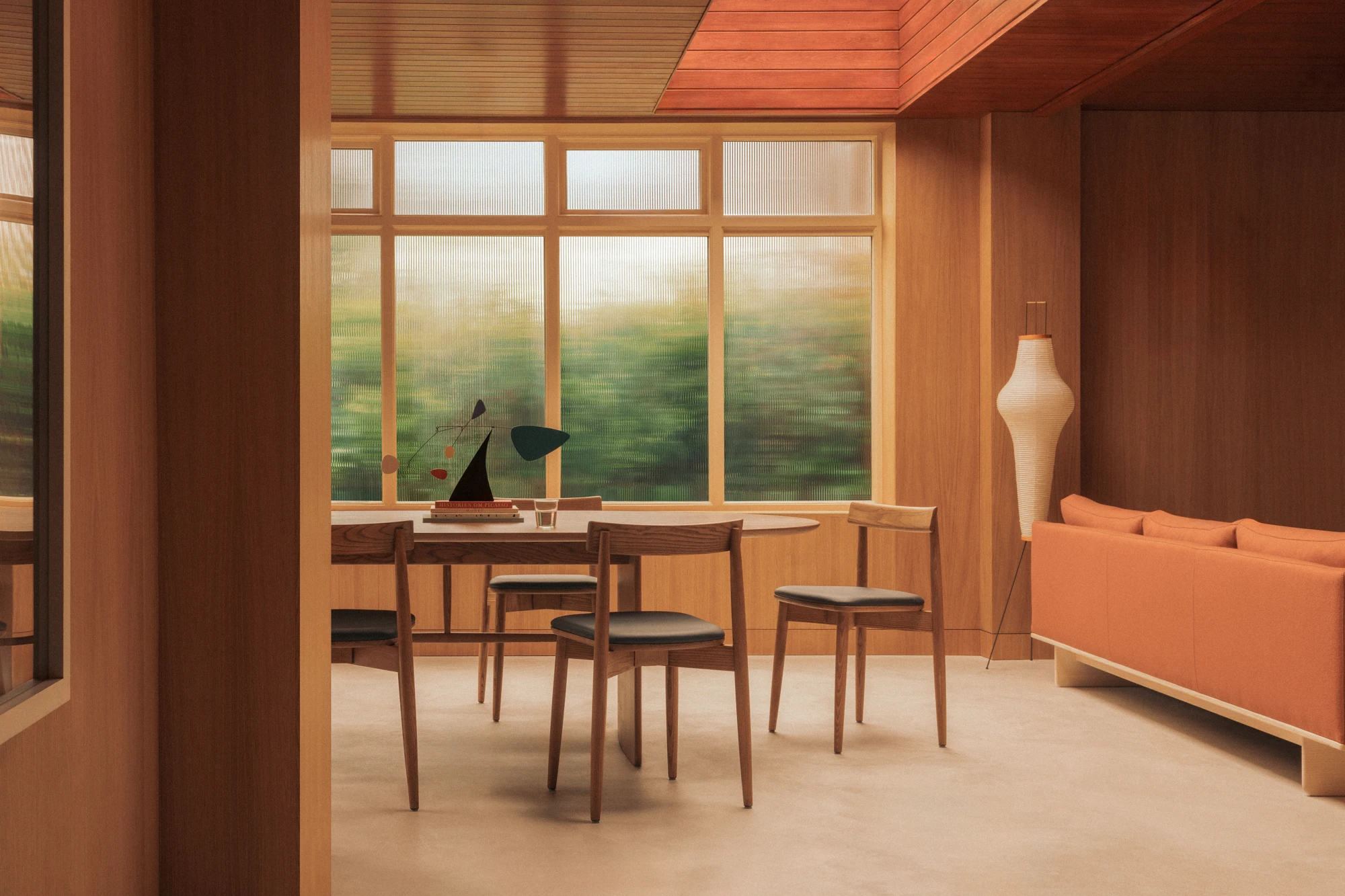
In the luxury hotel room, the conversation has moved decisively from amenity to atmosphere. Guests at the top end of the market have encountered enough impressive amenities to know that they don't, in themselves, constitute an experience. What they're looking for in a room is something harder to specify and considerably more valuable: the feeling of genuine restoration. This is driving a move toward what designers are calling neuro-aesthetic design — spaces engineered to support recovery at a physiological level. Soft curves rather than hard edges. Warm, layered lighting with circadian control that shifts from energising to deeply restful across the evening. Natural materials that invite touch — aged timber, cool stone, linen that has been washed to softness. Acoustic design that produces genuine quiet even in an urban context. The bathroom, historically the most utilitarian space in a hotel room, is being reimagined as a wellness sanctuary: stone baths, steam showers, warm timber vanities, the feeling not of a hotel bathroom but of a private spa that happens to be yours for the night.
One of the defining characteristics of the most admired boutique hotel design right now is invisible technology. Smart climate control that adjusts silently to guest comfort. Lighting that responds to the time of day without requiring interaction. Seamless connectivity without the visual noise of cords, panels, and interfaces that break the designed environment. The goal is an experience that feels effortless — where everything works, nothing intrudes, and the guest is never required to think about how. Technology in genuine service of atmosphere, rather than technology as the attraction itself.
What separates truly exceptional boutique hotel design from merely accomplished design is the attention given to what might be called the in-between spaces: the corridor, the lift lobby, the staircase, the transition from exterior to interior. These are the spaces most often treated as afterthoughts. In the best hotels, they're treated as opportunities — because the cumulative impression of a place is built from every moment of the guest's experience, not just the headline spaces. The quality of light in a corridor. The material underfoot as you move between spaces. The view that opens as you turn a corner. Each of these moments either adds to the story or quietly contradicts it. The hotels that understand this — and design accordingly — are the ones guests remember and return to. Not because of any single spectacular element, but because the whole experience, from first arrival to last departure, felt completely, consistently right.
Featured Image: Calile Hotel